








Celje, Slovenia|Maribor & Styria
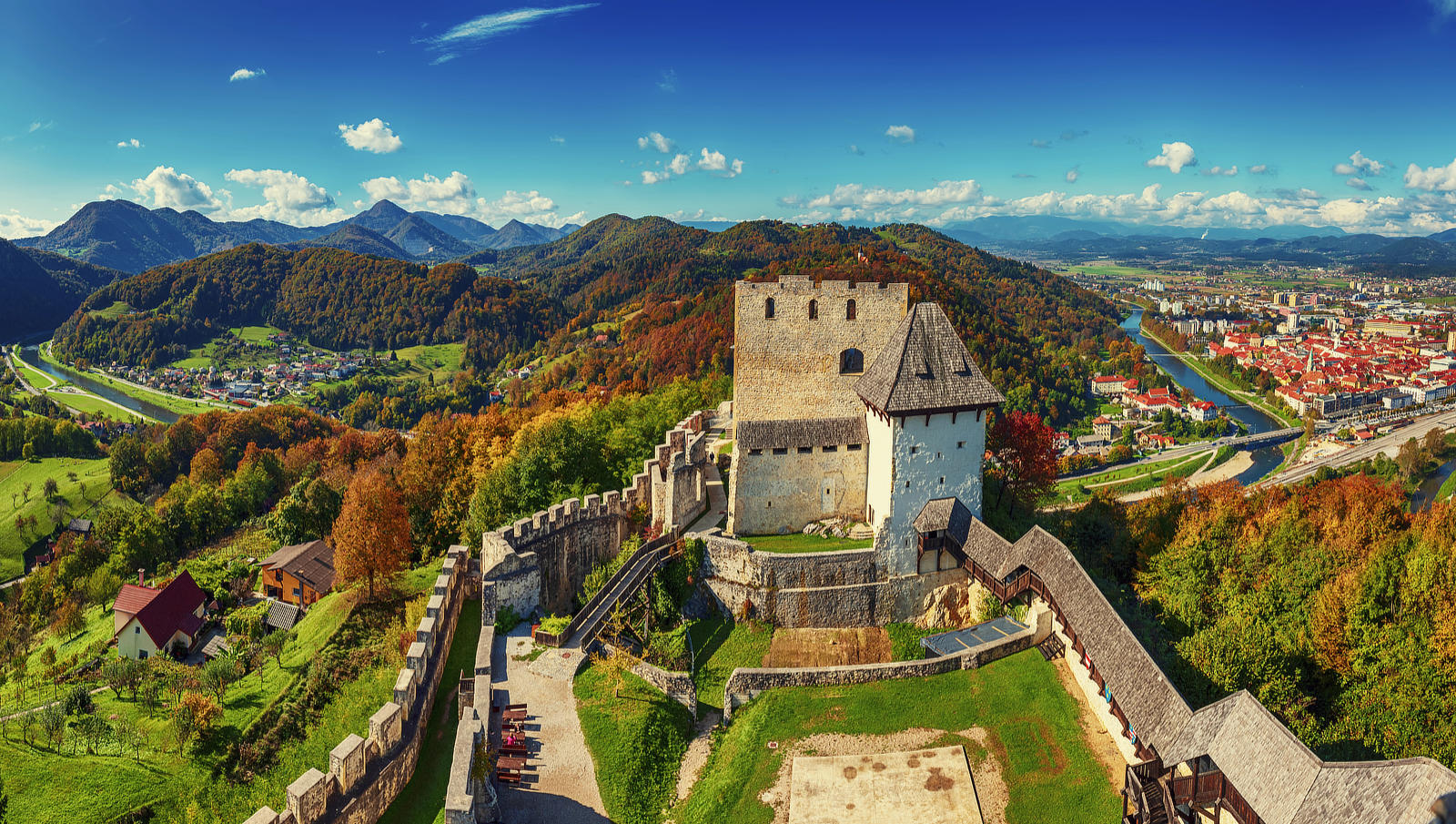
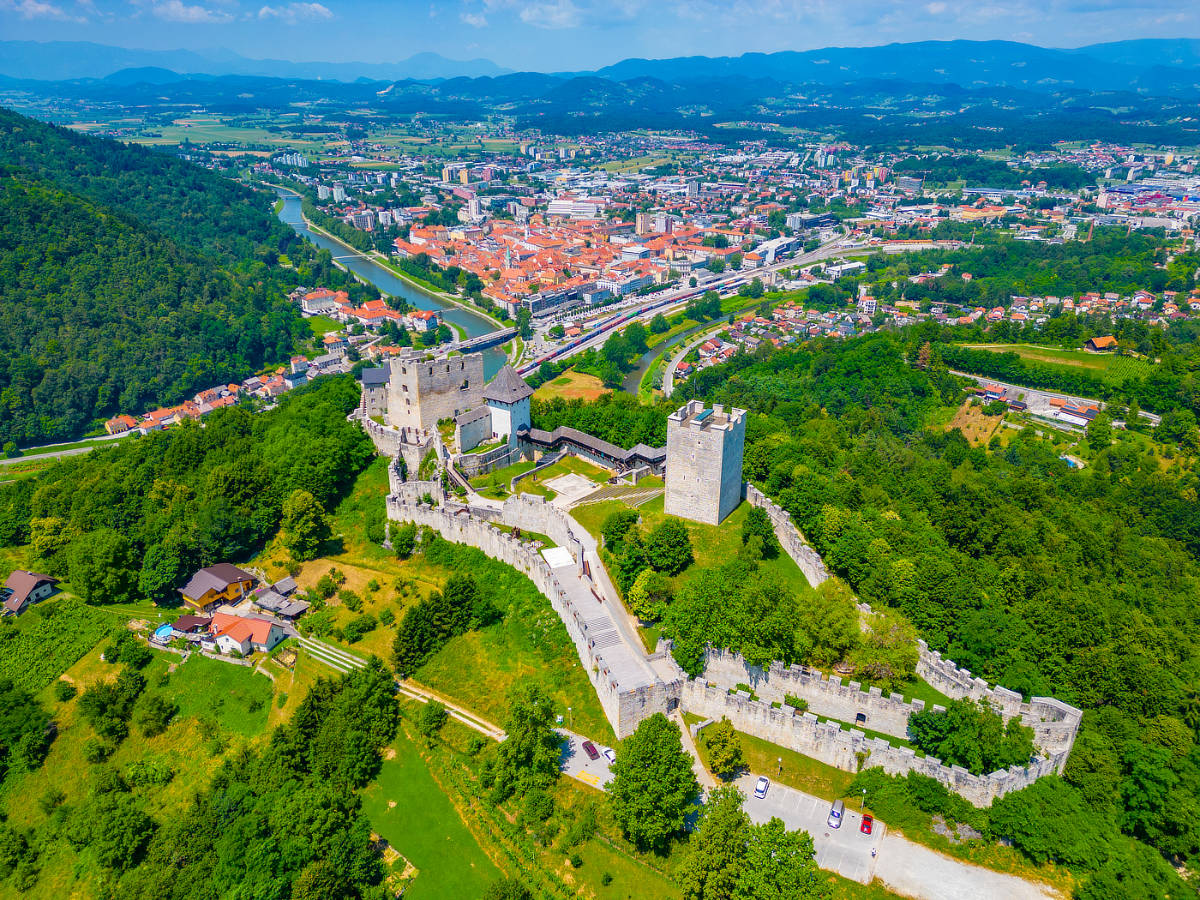
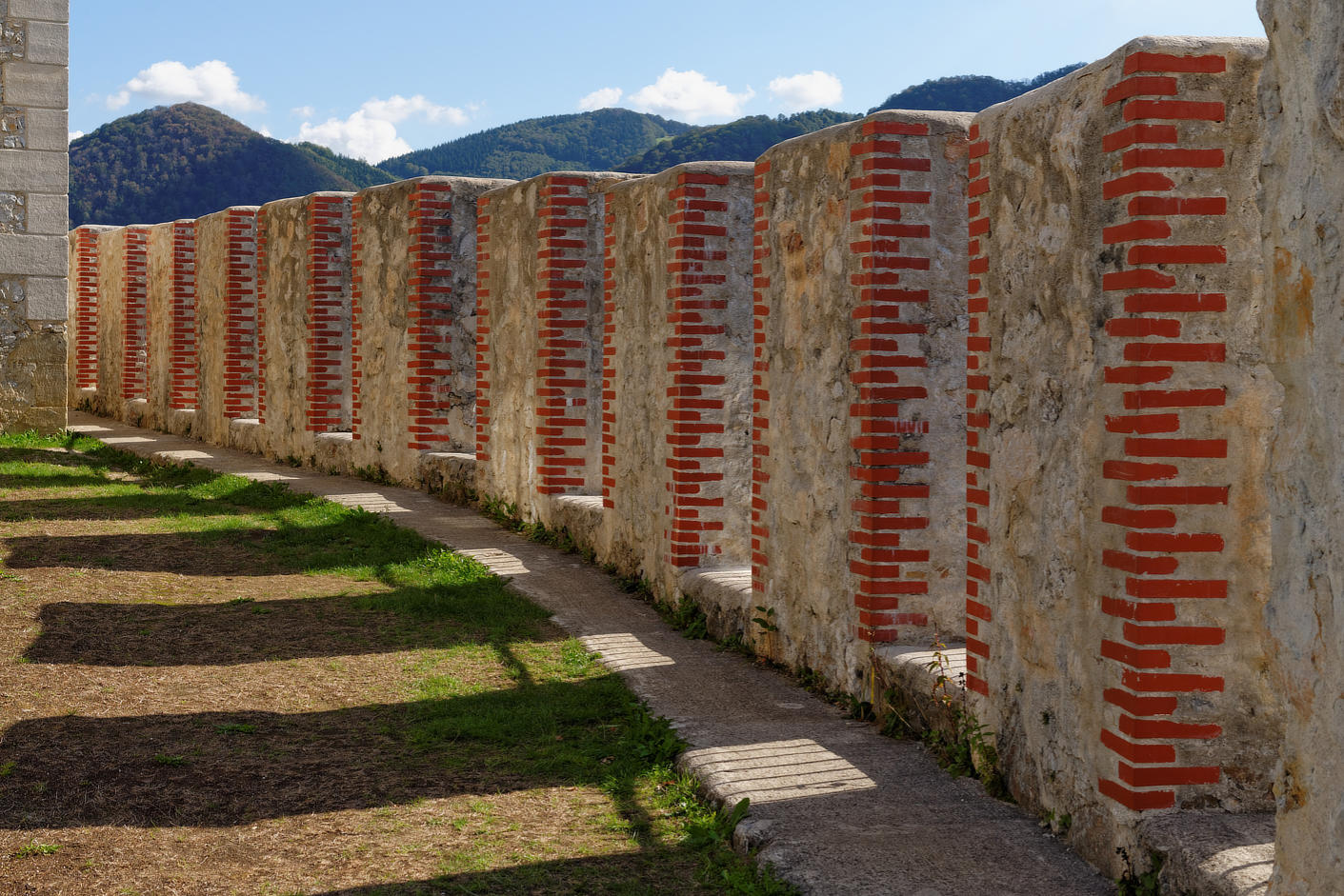
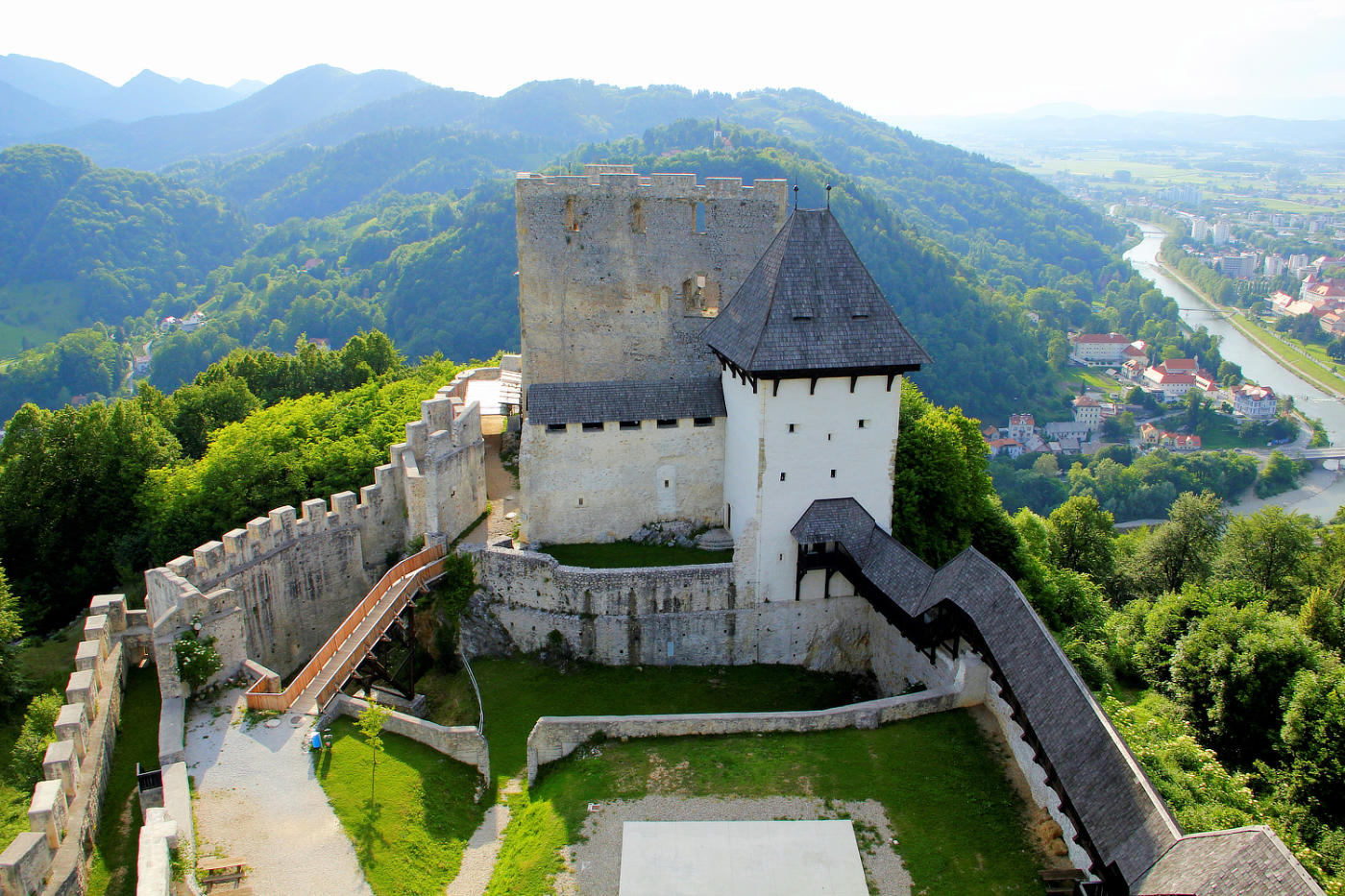
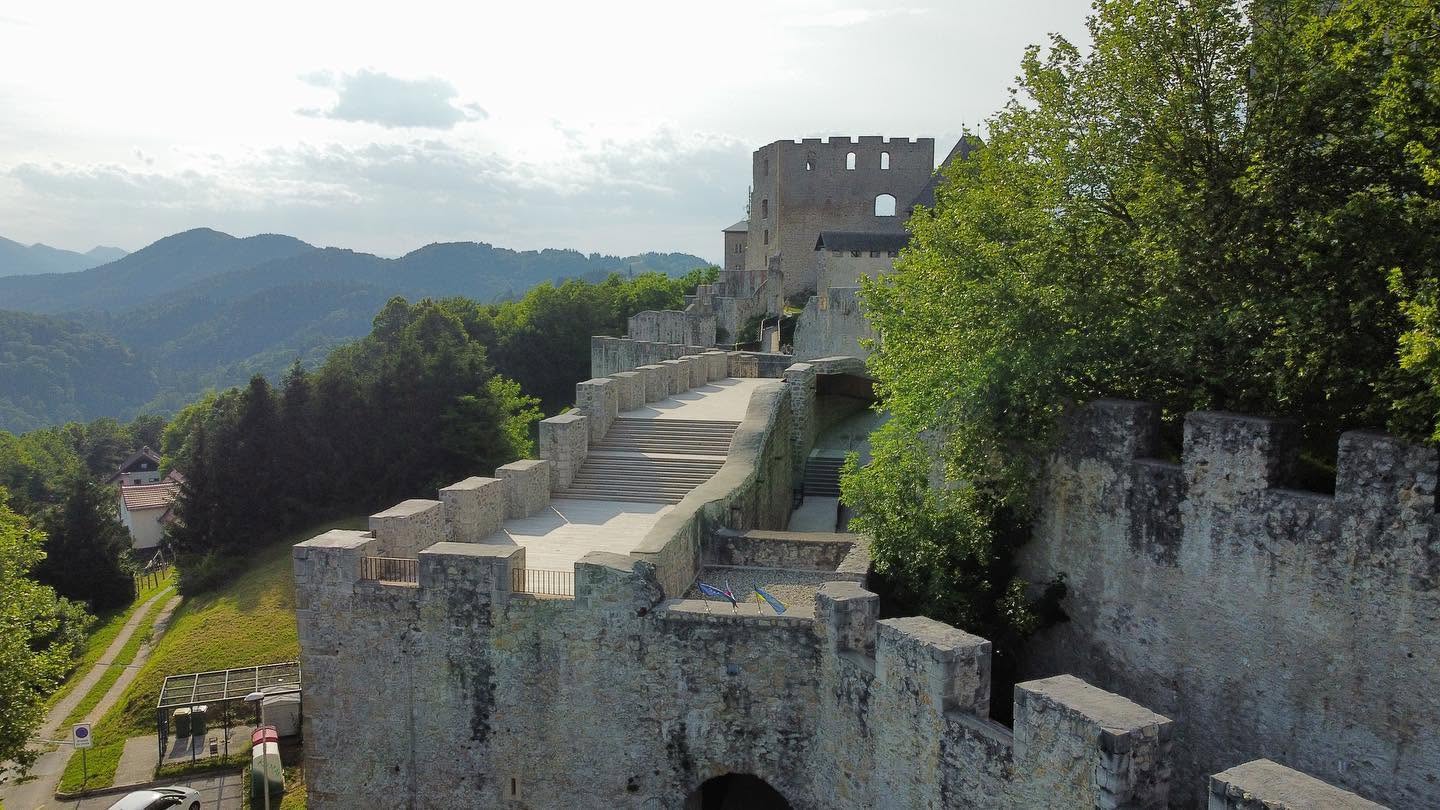
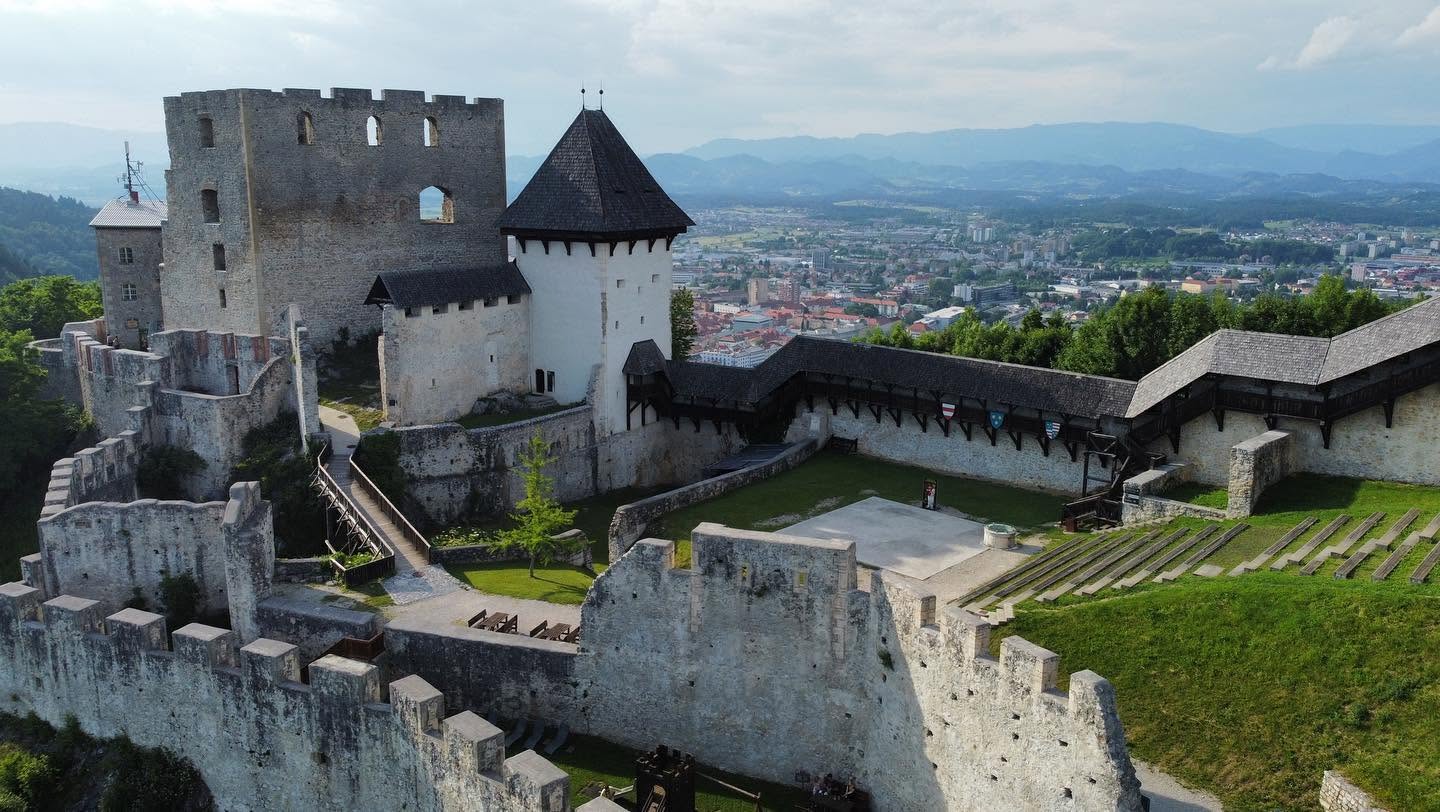
Crowning a wooded hill above the city, Celje Castle is the largest medieval castle in Slovenia and the former seat of the Counts of Celje, once among the most powerful dynasties in Central Europe. Its long double walls, restored towers and grassy courtyards open onto sweeping views over the Savinja valley. Today the ruin blends an authentic medieval setting with exhibitions, living-history programmes, a panoramic tower climb and a quiet cafรฉ terrace.

Plan Your Visit

UPCOMING EXPERIENCES

What's Happening

Discover upcoming events at this destination and experiences being prepared nearby.

Next at This Location
More to Experience Nearby
Coming Soon

We are preparing nearby events, experiences and seasonal highlights around this location.

Highlights

Powerful medieval setting
Historic courtyards and terraces
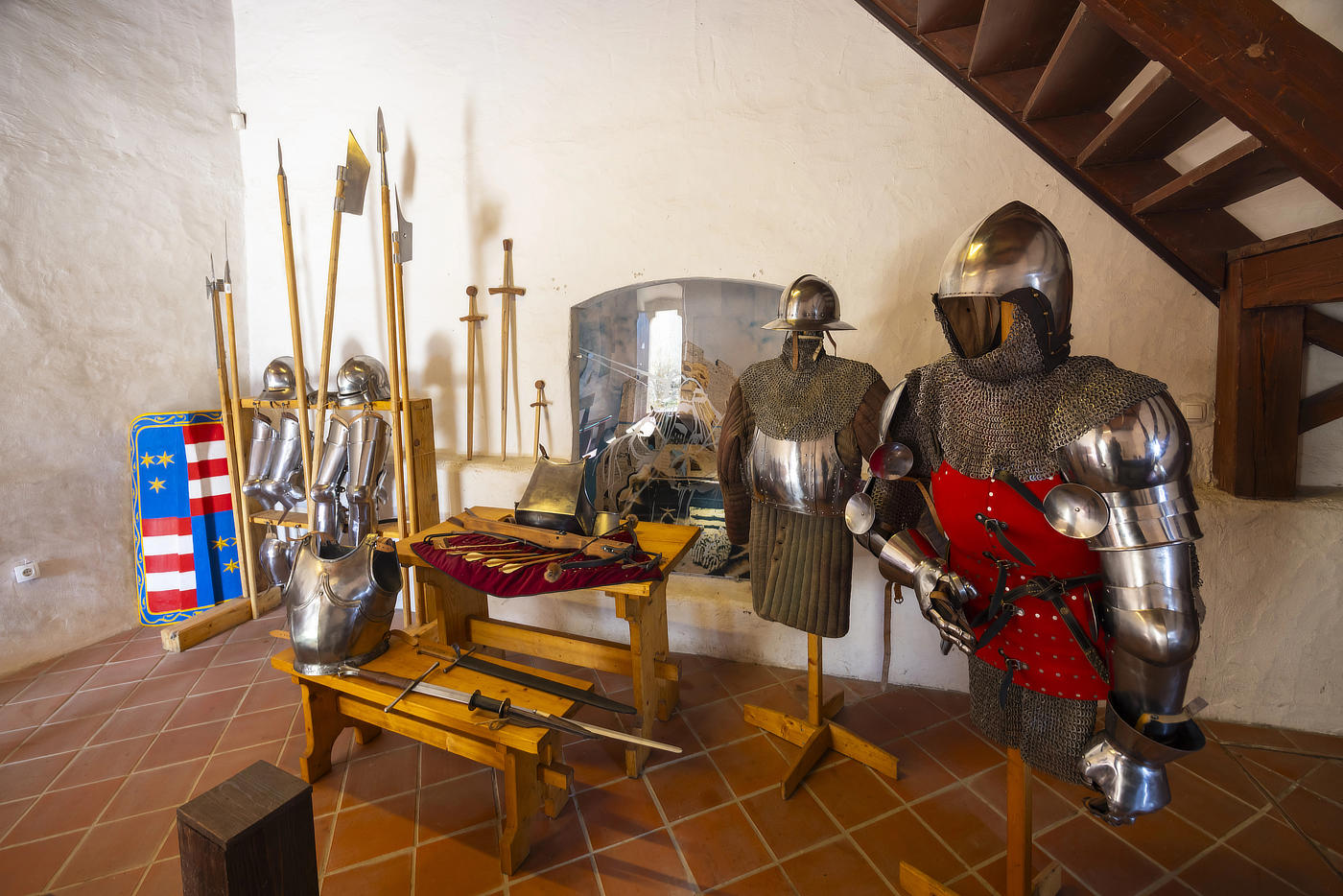
Castle museum experience
Traditional printing works experience
Restaurant and cafe with views
Cultural events and special occasions
Panoramic viewing tower

Safety Notes

Stairs inside,Uneven historic surfaces,Use handrails where available,Limited accessibility in historic areas

Photo Tip

The strongest shot is from the top of Frederickโ€™s Tower, looking out over Celje and the Savinja valley โ€” go up in late afternoon when low light rakes across the city and hills. For the castle itself, frame the long double walls and tower from the grassy courtyard, ideally in soft morning light before crowds arrive. A wide lens captures the fortressโ€™s unusual length; a foggy autumn morning gives a moody, atmospheric alternative. Respect the safety barriers near the open walls and cliff edges.

Before You Go

Ticket required,Check opening hours,Stairs inside,Uneven historic surfaces,Can be busy in summer,Outdoor areas nearby

Access & Parking

Most visitors drive up and use the parking area at the foot of the castle, then walk a short paved approach to the entrance; the lot is small, so arriving early helps. The official tourism board recommends reaching the hilltop sustainably โ€” on foot along the signposted Castle Trails, by bike, or by Celebus public transport (line 5 / 5A from the railway station). The approach road is narrow and winding. The lower courtyards and main approach are partly stroller- and wheelchair-accessible, but the tower and wall walks involve stairs.

Interesting Facts

1
Sloveniaโ€™s largest medieval castle
Celje Castle is the largest medieval fortress in Slovenia, stretched along a rocky ridge above the Savinja valley. Its elongated plan and double walls give it an unusually imposing silhouette, and it is widely regarded as one of the most important medieval castles in the country. The scale is easier to grasp from inside the walls than from the city below, where it reads simply as a long fortress on the hill.
2
Seat of the powerful Counts of Celje
The castle is best known as the residence of the Counts of Celje, the most influential noble dynasty in Slovenian history and major players in Central European politics. The Lords of Sanneck gained the castle in 1333 and became Counts of Celje from 1341, transforming the stronghold into a comfortable seat of power. Their rise ended in 1456 when the male line died out, after which the castle passed to the Habsburgs and slowly lost its strategic role.
3
Barbara of Celje, a Holy Roman Empress
Barbara of Celje, daughter of Count Herman II, became Holy Roman Empress and Queen of Hungary and Bohemia as the wife of Sigismund of Luxembourg. She is remembered as the highest-ranking crowned figure to come from what is now Slovenia. Her familyโ€™s marriages and alliances tied this hilltop castle to some of the most powerful courts of late-medieval Europe.
4
The tragic legend of Veronika of Desenice
One of Sloveniaโ€™s most famous stories is the doomed love between Count Frederick II of Celje and Veronika of Desenice, a noblewoman of lower rank. According to tradition, the match enraged Frederickโ€™s father, Count Herman II, who had Veronika tried and, after her acquittal, she met a tragic end. This is recounted as a legend rather than firmly documented fact, but it remains deeply woven into the castleโ€™s identity and is retold in its exhibitions and summer events.
5
Frederickโ€™s Tower and the climb to the view
The tall keep known as Frederickโ€™s Tower (Friderikov stolp) was raised around 1400 and is the castleโ€™s defining feature. Visitors can climb it for a panoramic sweep over the city of Celje, the Savinja river and the surrounding hills โ€” repeatedly described as the highlight of a visit. A small torture-themed exhibition sits within the tower, adding a darker note to the ascent.
6
A castle that became a quarry
After the Counts died out, the fortress declined sharply and lost its roofs during the 18th century. When Count Gaisruck bought it in 1755 he stripped the roof timbers, and dressed stone was carried off to build in the valley below. For a time the site was used outright as a quarry, and the great castle was left to fall into ruin until antiquarian interest reversed the decline.
7
The oldest continuous restoration in Slovenia
Efforts to save the ruin began in the 19th century, when Count Wickenburg bought it in 1846 and the Celje museum society started organised restoration from 1882. This makes the upkeep of Celje Castleโ€™s walls the oldest continuous conservation effort in Slovenia. The work is deliberately careful: structures are stabilised and key spaces rehabilitated without erasing the visible traces of time, so the castle still reads as an authentic ruin rather than a rebuilt replica.
8
Built above a river bend on a layered hill
The castle stands on a promontory above the Savinja valley, where its first fortified building developed from a residential tower in the first half of the 13th century. Over the next three centuries the buildings spread along the ridge, layering a Romanesque core, Gothic residential expansion under the Counts, and a Renaissance-era fortified perimeter. The result is one of the widest medieval castle complexes in Slovenia, with triple defensive walls and deep moats.
9
A living-history destination today
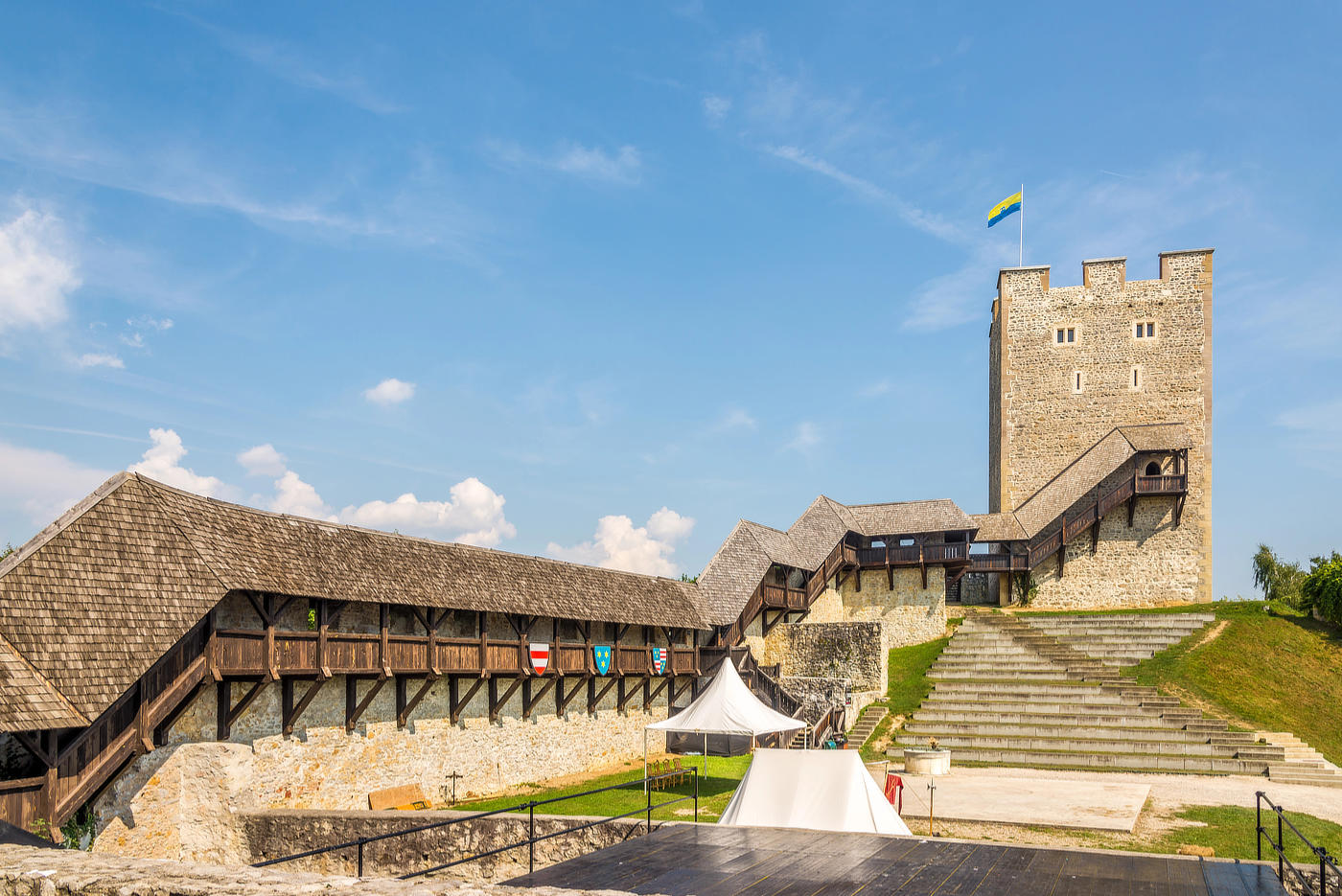
In the warmer months the castle hosts โ€œLiving Historyโ€ programmes, with cultural and historical societies welcoming visitors as knights and court ladies. The courtyards become a stage for concerts, immersive theatre, guided tours and weddings, and a summer programme runs through the season. The late-August medieval festival, โ€œThe Land of Celje Invitesโ€ (Deลพela Celjska vabi), is the yearโ€™s biggest event, filling the walls with re-enactors and period craft.
10
A hands-on printing-works experience
Among the castleโ€™s most loved features is its traditional printing-works station, where a costumed printer demonstrates historic book-printing and produces personalised, wax-sealed certificates and souvenirs for visitors. Travellers repeatedly single this out as a memorable, family-friendly highlight, especially for children. It turns a simple ruin visit into an interactive encounter with medieval craft.
11
The three stars of Celje
The Counts of Celje left a mark far beyond the castle walls through their coat of arms: three golden stars on a blue field. The motif was so closely tied to Slovenian historical identity that the three stars were later carried into the coat of arms and flag of the Republic of Slovenia. They remain a ubiquitous visual symbol throughout the city of Celje today, linking the medieval ruin directly to the modern state.
12
A filming location for international cinema
Celje Castle has served as a verified filming location for international productions, most notably the 2017 Indian Kannada-language film Bharjari, which shot song sequences here as part of a wider Slovenian schedule. The shoot was run by the Celje-based RTA Agency, which has brought Indian film crews to Slovenia for over a decade. The castleโ€™s long walls and courtyards made a striking backdrop โ€” a reminder of Sloveniaโ€™s growing role as a European filming destination. (Note: the 2013 Telugu film Bhai, sometimes linked to Celje, in fact filmed at Predjama Castle, not here.)
Read more
Visitor Wisdom

Traveler Insights

Based on recurring visitor feedback patterns, travel-platform comments, community discussions, and Explore Slovenia research.

โ˜…โ˜…โ˜…โ˜…โ˜…
โ˜…โ˜…โ˜…โ˜…โ˜…
4.7
Based on 6,300+ visitor ratings

Quick Facts

Estimated visit time
1โ€“2 h
Best season
Spring, Summer, Autumn
Walking difficulty
Moderate
Family friendly
Yes
Pet friendly
Yes
Entry Fee
Paid, Free with paid extras
Access type
Short paved walk
Help Improve This Listing
Found outdated information, a mistake, or a useful local tip? Let us know.
Suggest an Update โ†’

Help Improve This Listing

Your feedback helps us keep Explore In Slovenia accurate and useful for future visitors.
ร—
Suggest an Update

All submissions are reviewed before publication. Your email is used only to confirm your submission and contact you about this update if needed.

Visitor Reviews

Write a review
No visitor reviews yet. Be the first to share your experience.

No reviews yet!

Sorry! Please login first to submit reviews.