Ljubljana Castle is widely treated as one of the essential first stops in the city. Visitors most often remember the panorama, the short funicular ride and the relaxed courtyard setting. The paid interiors receive more mixed reactions, but the overall experience remains strong because the castle is easy to reach and gives a clear sense of Ljubljana’s layout.
7
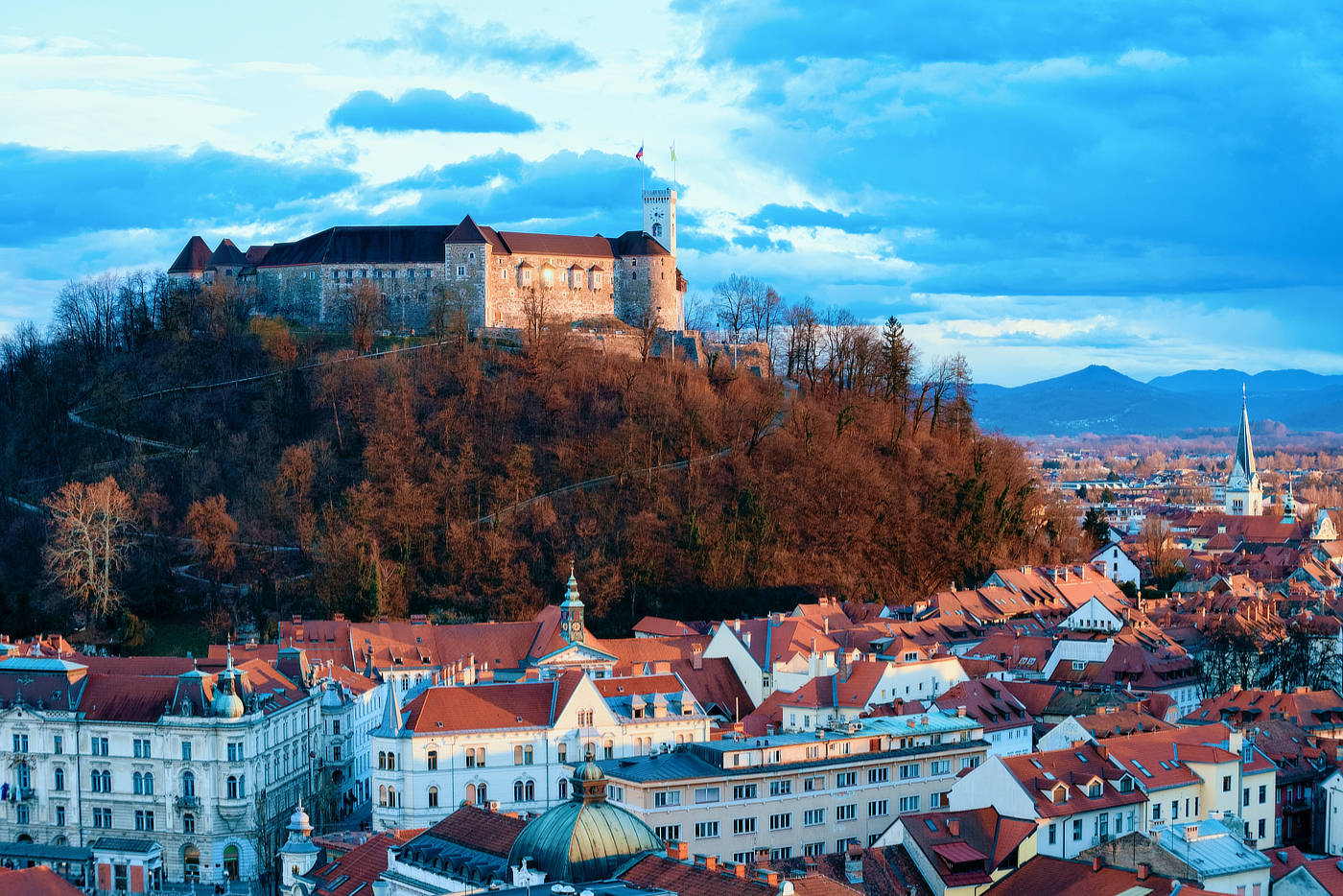
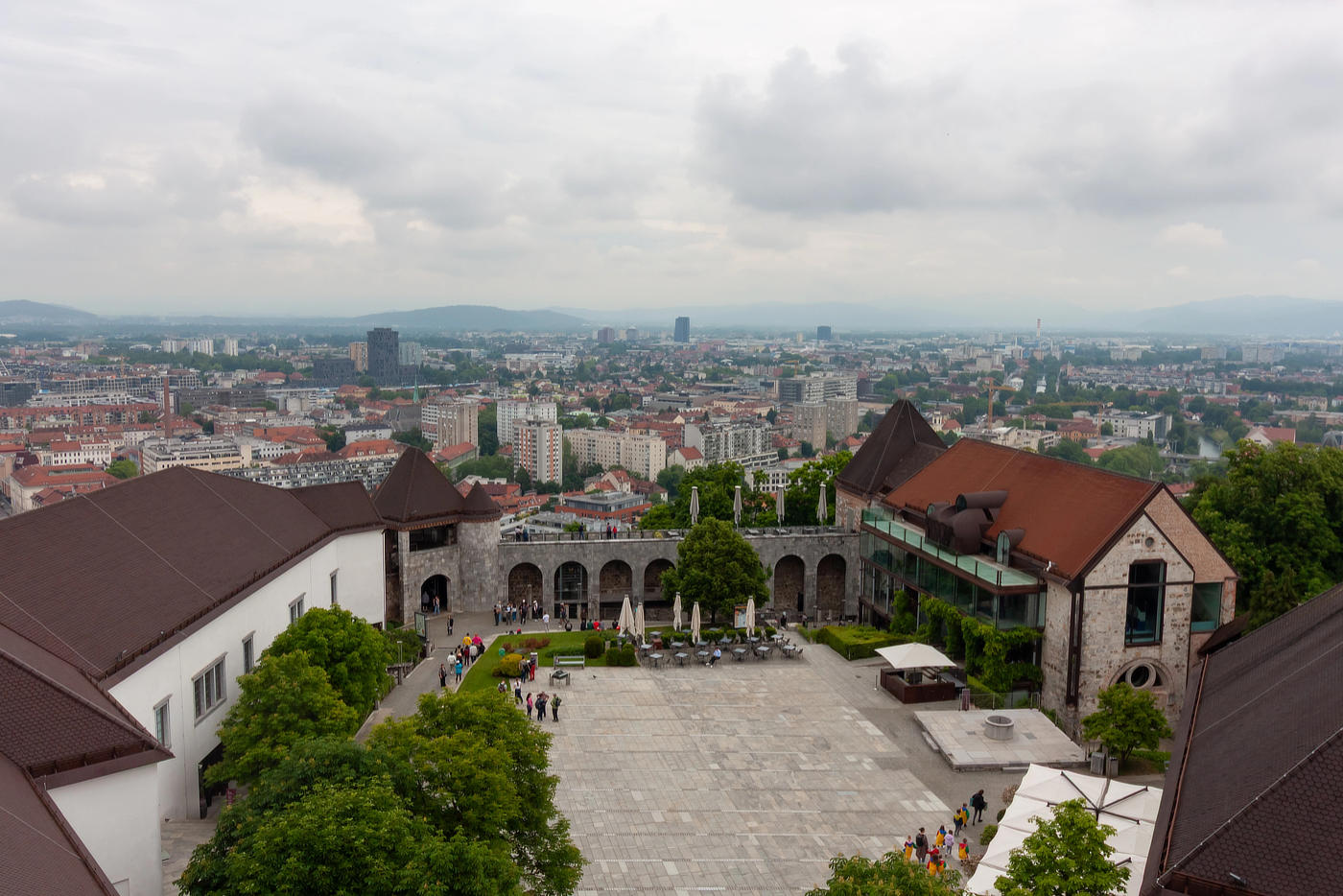
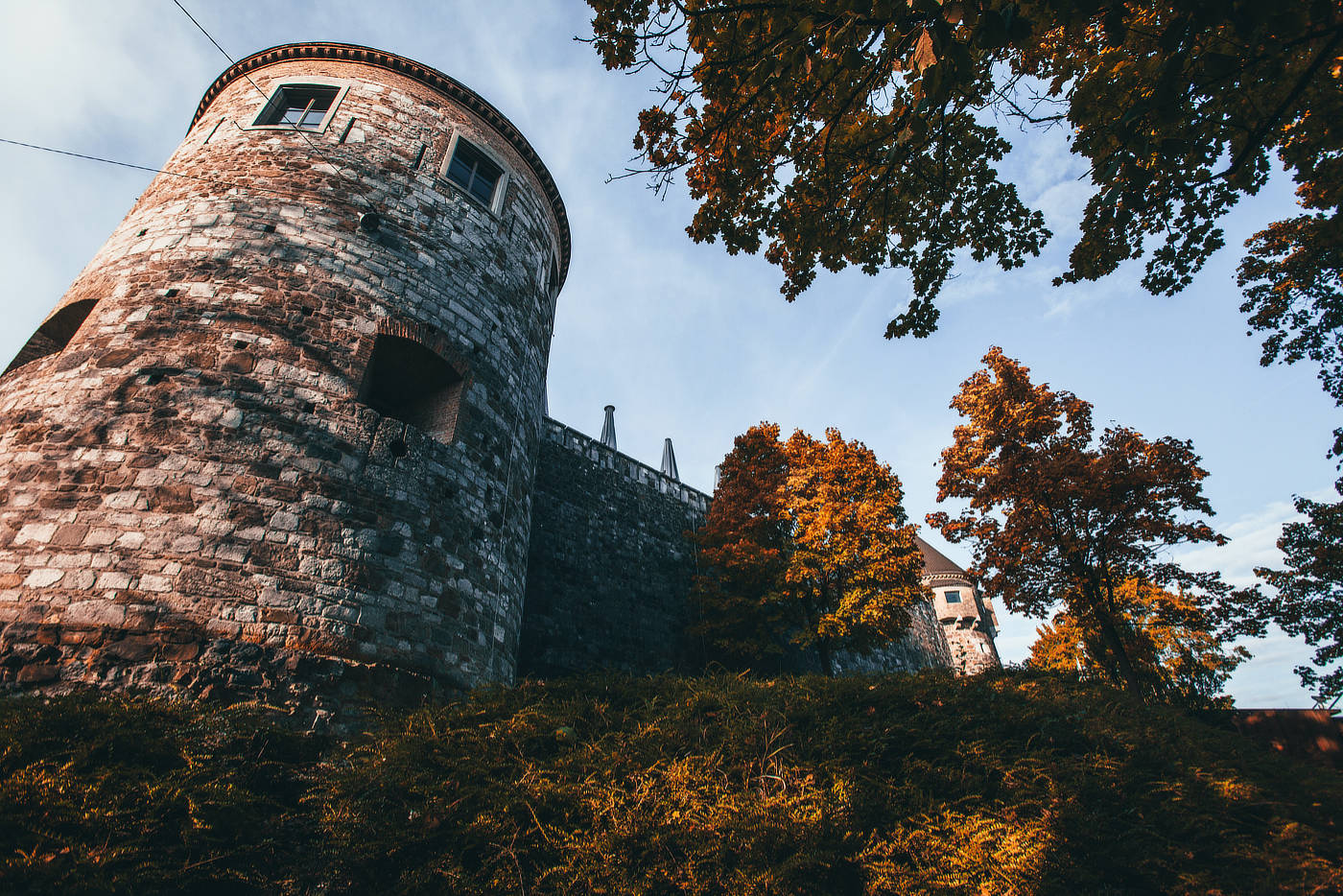
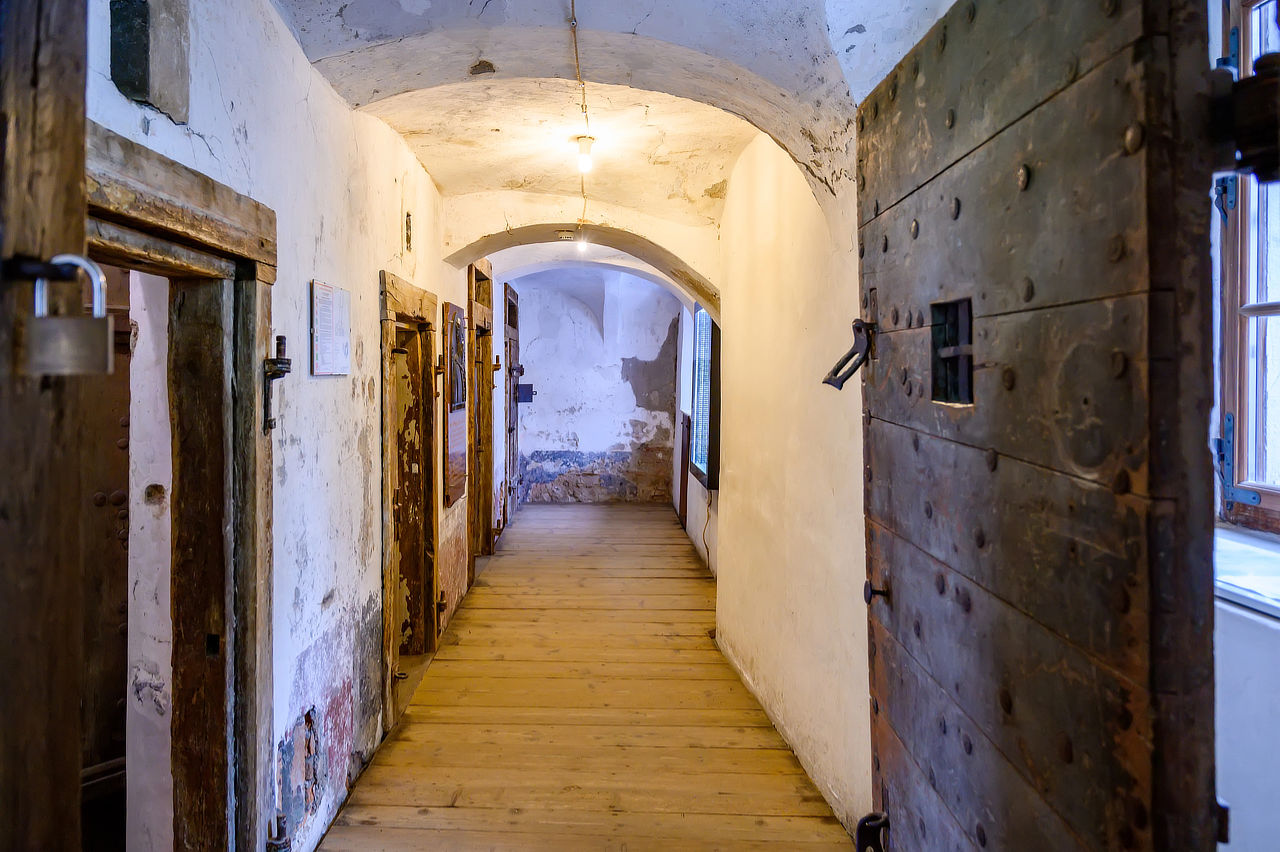
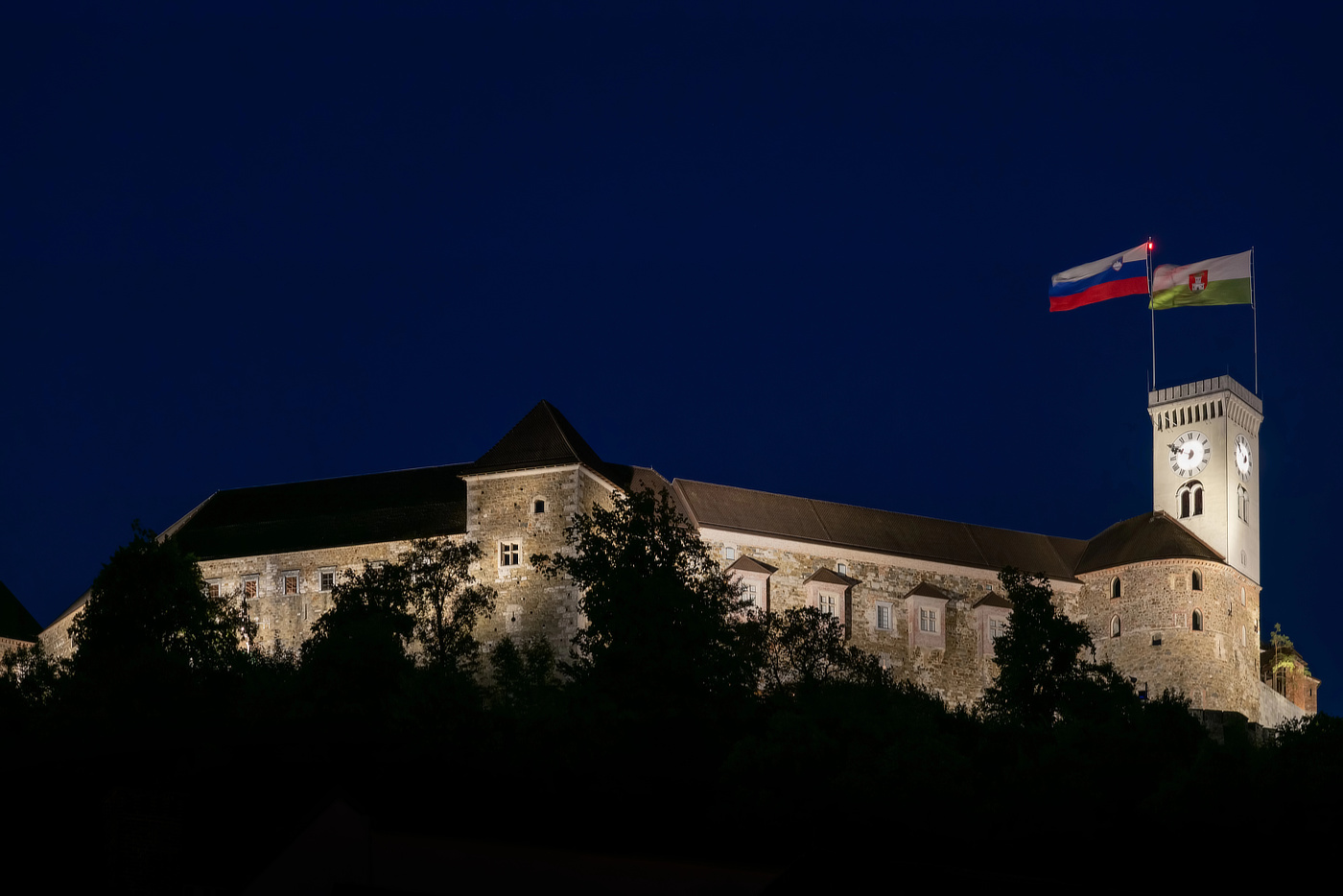
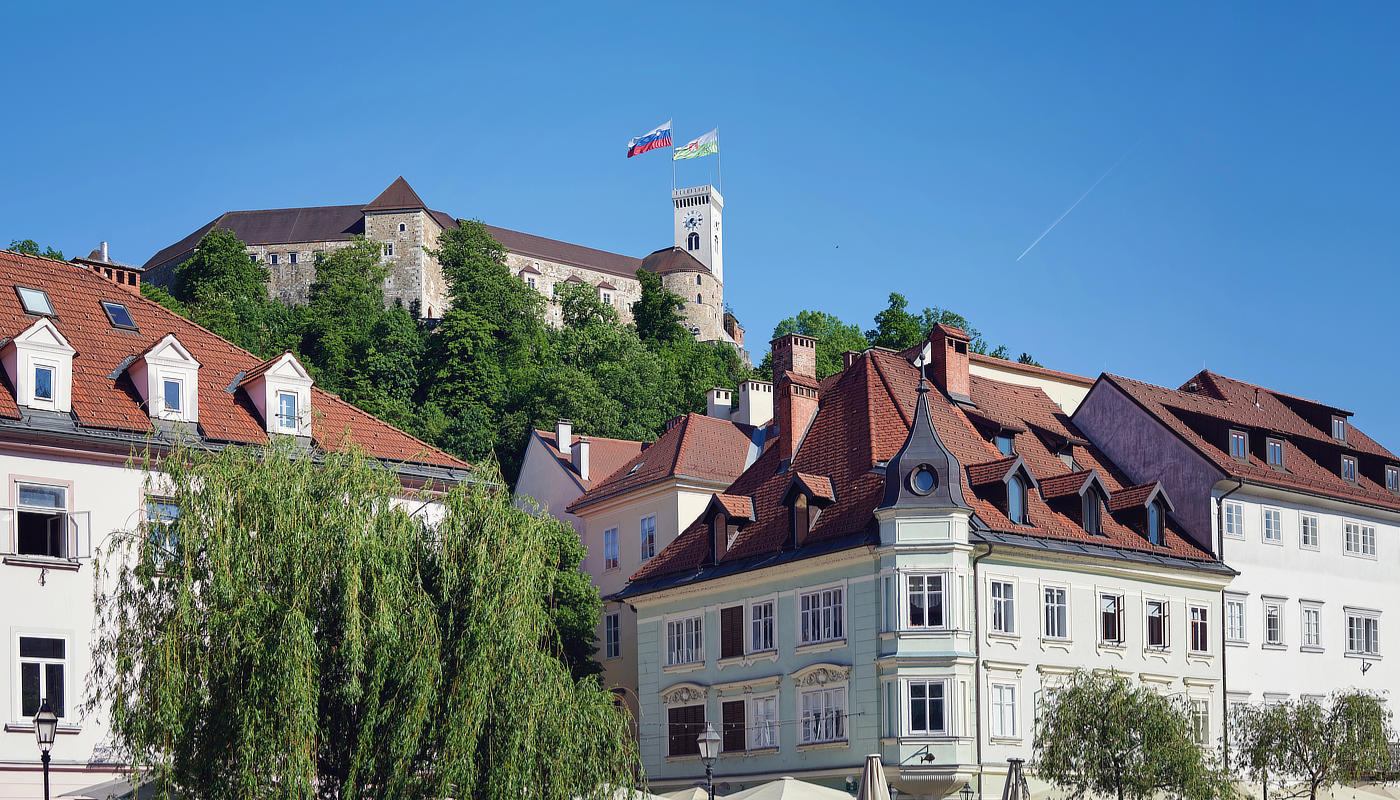
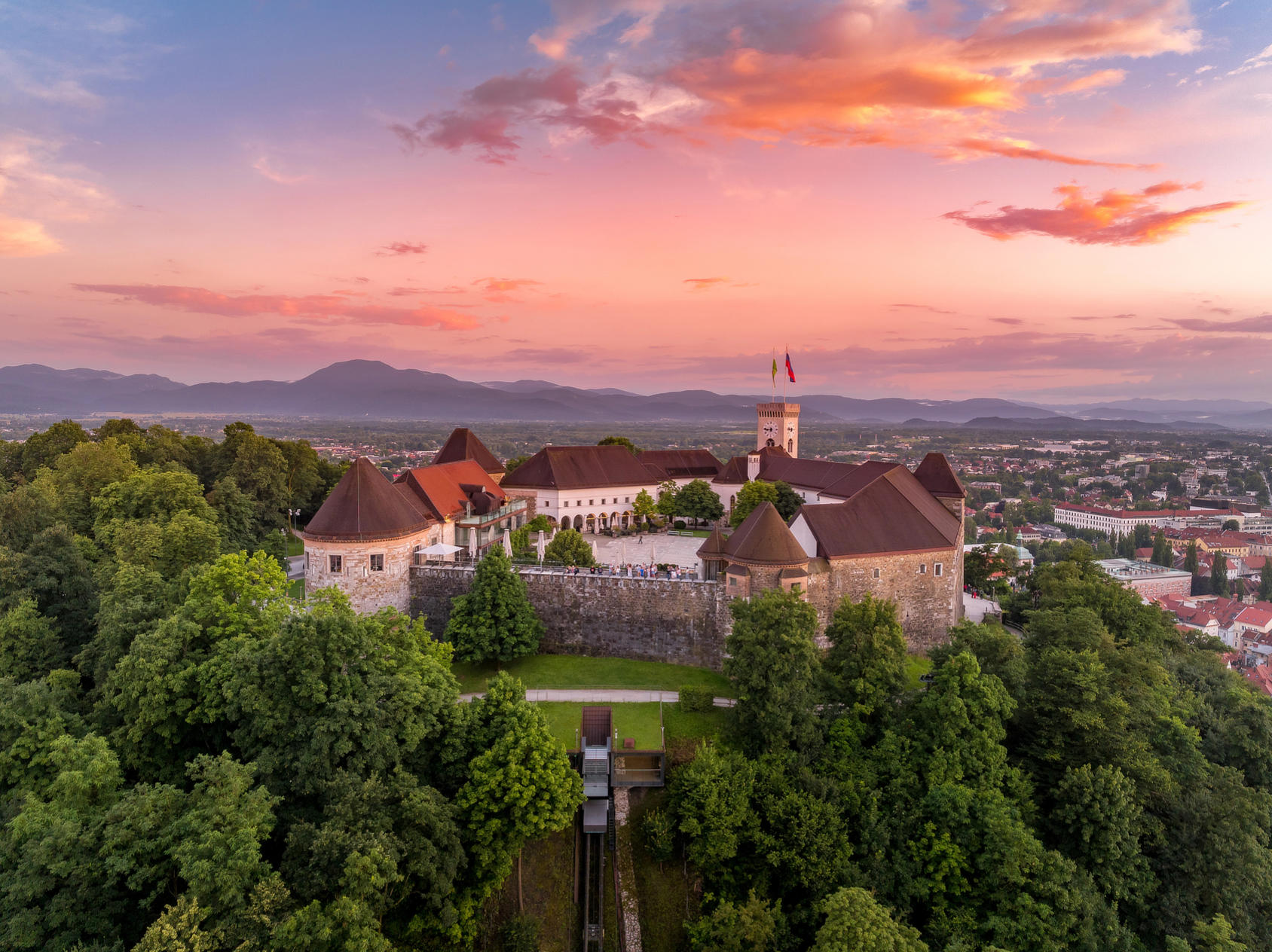
Rising above Ljubljana’s Old Town, Ljubljana Castle has watched over the city for around nine centuries. Visitors can reach the hilltop by a one-minute glass funicular or by several scenic walking paths through Castle Hill. Today the restored medieval complex combines panoramic city views, historic courtyards, museums, cultural events and cafés, making it one of the capital’s most rewarding places to explore at a relaxed pace.
Plan Your Visit
<
>
Opening Hours
Open now
Closes in 41m
Today: 09:00–20:00
Main season — May to Sep
Castle hours. Funicular usually runs 09:00–22:00. Open 365 days a year. Castle hours are 9:00–18:00 in Jan–Apr and Oct–Dec, and 9:00–20:00 in May–Sep. Last ticket purchase is possible up to one hour before closing.
Fri 09:00–20:00
Low season — Jan to Apr (Jan 1–Apr 30)09:00–18:00
Main season — May to Sep (May 1–Sep 30)09:00–20:00
Low season — Oct to Dec (Oct 1–Dec 31)09:00–18:00
New Year’s Day (Jan 1)10:00–18:00
New Year’s Eve (Dec 31)09:00–17:00
Entry Fee
Paid
Adults from €15.00
Ticket prices
Official source
Castle Ticket
€15.00
Castle Ticket + Return Funicular
€19.00
Castle Ticket
€10.50
Castle Ticket
€10.50
Castle Ticket
€10.50
Castle Ticket + Return Funicular
€13.50
Castle Ticket + Return Funicular
€13.50
Castle Ticket + Return Funicular
€13.50
Castle Ticket
€36.00
Castle Ticket + Return Funicular
€46.00
Return Funicular Only
€6.00
Return Funicular Only
€4.50
Return Funicular Only
€4.50
Return Funicular Only
€4.50
Children under 7
Free
Castle Courtyard
Free
Official prices updated: 27 Jun 2026
- Courtyard access is free; paid castle tickets cover the main visitor contents.
- A combined castle + return funicular ticket is available.
- Children under 7 enter free when accompanied by parents.
Parking Situation
Small parking
View options
Parking & Access Options
Official source
Situation: Small parking
Parking info updated: 27 Jun 2026
- Small paid plateau parking is available with the first 15 minutes free.
- Spaces are limited.
- Most visitors should park in central Ljubljana and use the funicular.

Parking Fee
Paid

Child safety note
Uneven terrain,Slippery when wet,Stairs,Narrow passages,Supervise children

Access Notes
Steep paved approach

Suitable For
Couples,Families,Solo visitors,Photographers,Easy outing

Stroller accessibility
Partly

Wheelchair access
Partly

Estimated visit time
1–2 h

Family Friendly
Yes
Pet Friendly
Partly
Walking Difficulty
Easy

Best season
Spring, Summer, Autumn
UPCOMING EXPERIENCES
What's Happening
Discover upcoming events at this destination and experiences being prepared nearby.
Next at This Location
No upcoming event listed yet
Upcoming events for this location are being prepared.
More to Experience Nearby
Coming Soon
We are preparing nearby events, experiences and seasonal highlights around this location.
Highlights
Historic courtyards and terraces
Gothic chapel with frescoes
Castle museum experience
Restaurant and cafe with views
Cultural events and special occasions
Panoramic viewing tower
Glass funicular ride
Museum of Puppetry
Safety Notes
Stairs inside,Narrow passages,Supervise children,Slippery stone surfaces possible
Photo Tip
Visit the Outlook Tower during golden hour for panoramic city views. Photograph the illuminated castle from the Old Town or Nebotičnik after sunset for the best exterior composition.
Before You Go
Ticket required,Check opening hours,Audio guide available,Guided tours available,Stairs inside,Can be busy in summer,Best combined with nearby attraction,Outdoor areas nearby
Access & Parking
Most visitors reach Ljubljana Castle by the glass funicular from Krek Square, while others choose a short but steep walk through Castle Hill or drive to the small paid hilltop car park. The castle plateau is mostly easy to explore, although some historic areas include stairs and uneven surfaces. Visiting earlier in the day helps avoid the busiest periods during summer.
Interesting Facts
1
Roughly Nine Centuries on the Hill
A castle has stood on Castle Hill for about 900 years, with the first fortification probably built in the 11th century and rebuilt in the 12th. The complex took its present outline in an almost complete 15th-century overhaul, while the majority of the buildings visitors see today date from the 16th and 17th centuries. What looks like a single medieval castle is really layered construction spanning several eras, which is why different towers and halls feel so distinct from one another.
2
Settled Long Before the Castle
Archaeological surveys show the hill was settled far earlier than the medieval fortress, with evidence of continuous habitation reaching back roughly to 1200 BC. The Romans later used the hilltop, and the site sat above their city of Emona in the valley below. This deep timeline helps explain why the castle occupies the position it does: the hill was a natural stronghold and lookout point long before anyone built stone walls on it.
3
First Written Mention Around 1161
The oldest known record of the castle, referring to it as "castrum Leibach," survives on a parchment held in the Udine Cathedral Archive and most likely dates from the second half of 1161. Some sources note a mention of the hill's feudal estate in 1144. Either way, the castle enters the written record in the 12th century, giving Ljubljana a documented landmark older than most of the city around it.
4
Seat of the Lords of Carniola
From the first half of the 14th century, the castle served as the seat of the provincial rulers of Carniola, the historic region centred on present-day Slovenia. This administrative role, rather than its military walls alone, made it a centre of regional power for centuries. Understanding the castle as a governing seat rather than just a fortress explains the scale of its later halls and residential spaces.
6
A Well Worked by a Human Treadwheel
Near the castle sits a deep well, most likely originating in the Roman period and later filled in, then cleared again in the early 19th century. At that point a large wooden walking wheel was added to raise water: prisoners stepped inside and moved it with their own body weight, much like a treadmill. The wheel survives today and is considered one of the finest examples of this kind of European technical heritage, with only one comparable device known in France.
7
The Dragon and the Coat of Arms
Ljubljana Castle appears on the city's official coat of arms, shown beneath the famous Ljubljana dragon, the city's mythical guardian. The pairing ties the fortress directly to civic identity, which is why the dragon motif recurs throughout the city below. The legend is woven into local culture, though it is the castle and dragon together, not the dragon alone, that define Ljubljana's heraldry.
8
A Modern Funicular on an Ancient Hill
The glass funicular that carries most visitors up Castle Hill is a recent addition, built in 2006 and entering service on 28 December that year. It was introduced partly to reduce vehicle traffic and protect the hill, and it covers the climb in about a minute. The contrast between the centuries-old walls and the sleek glass cabin is one of the castle's defining modern features, and it makes the site unusually easy to reach for a hilltop fortress. The Chapel of St George | One of the oldest surviving parts of the complex is the Chapel of St 9. George, dating from 1489. Its interior is painted with frescoes and the coats of arms of the provincial nobility of Carniola, making it both a religious space and a visual record of the region's ruling families. For visitors, the chapel offers a rare glimpse of late-medieval decoration within a complex that has otherwise been heavily rebuilt over time.
10
Plečnik's Mark on the Hillside
In the 1930s, the remains of the castle's fortifications were reworked into the Šance promenade, a tree-lined walkway designed by Jože Plečnik, the architect who shaped much of modern Ljubljana. Plečnik had even more ambitious plans for the hill that were never fully realised. Today the promenade gives a quieter, parkland counterpoint to the busy courtyard and frames some of the best views over the surrounding landscape.
Visitor Wisdom
Traveler Insights
Based on recurring visitor feedback patterns, travel-platform comments, community discussions, official visitor information and Explore Slovenia editorial research.
Visitors consistently praise the wide view over Ljubljana’s rooftops, river bends and surrounding hills. The glass funicular is also remembered as a simple, enjoyable part of the visit. Families often mention the Museum of Puppetry and short multimedia experiences, while many visitors appreciate that the courtyards feel calm enough for a short pause above the Old Town.
Many visitors are surprised that parts of the castle can be enjoyed without a ticket. The main paid value is the tower, museum access and funicular package. The walk up from the Old Town is short but steep, and the tower involves narrow stairs. Online tickets and earlier arrival can make the visit smoother during busy periods.
Best for first-time Ljubljana visitors, families, couples, photographers and anyone wanting a short cultural stop with a strong viewpoint. Less ideal for visitors expecting richly furnished medieval rooms, or for travelers who need full step-free access to every part of the complex. The courtyard and some exhibits are accessible, but the tower is not.
Common mistakes include walking up in unsuitable shoes, arriving at peak midday in summer, assuming every part of the castle is free, or leaving the tower until close to closing time. Drivers should also avoid relying on the small hilltop car park as the main plan. The funicular is usually the easier arrival choice.
Late afternoon gives softer light, thinner crowds and a better chance of relaxed photos. After visiting the tower and courtyard, walking down through the wooded Castle Hill paths can be more atmospheric than returning immediately by funicular. In summer, check whether the courtyard has evening cultural programming, including open-air cinema events.
Families tend to enjoy the funicular ride, open courtyard and child-friendly museum elements. The Museum of Puppetry and short multimedia experiences work especially well for younger visitors. Parents should watch children carefully on the tower staircase and uneven historic surfaces. Strollers are useful for the funicular and courtyard, but not for the tower.
The strongest images are usually the tower panorama and the castle exterior seen from below. Late afternoon and early evening light work well for rooftops, courtyards and the illuminated hilltop profile. A wide lens helps inside the courtyard and on the viewing platform. Mornings are better for cleaner foregrounds and fewer visitors.
Ljubljana Castle is remembered as the city’s high viewpoint and cultural landmark rather than a richly furnished medieval palace. Visitors value the panorama, easy funicular access, open courtyards and compact museum experience. Some find the paid interiors optional, but most still see the visit as worthwhile because it connects the Old Town, Castle Hill and Ljubljana’s wider setting in one simple stop.
Quick Facts
Estimated visit time
1–2 h
Best season
Spring, Summer, Autumn
Walking difficulty
Easy
Family friendly
Yes
Pet friendly
Partly

Entry Fee
Free with paid extras
Access type
Short paved walk
Help Improve This Listing
Found outdated information, a mistake, or a useful local tip? Let us know.
Suggest an Update →Help Improve This Listing
Your feedback helps us keep Explore In Slovenia accurate and useful for future visitors.
×Visitor Reviews
Write a review
No visitor reviews yet.
Be the first to share your experience.
No reviews yet!
Sorry! Please login first to submit reviews.